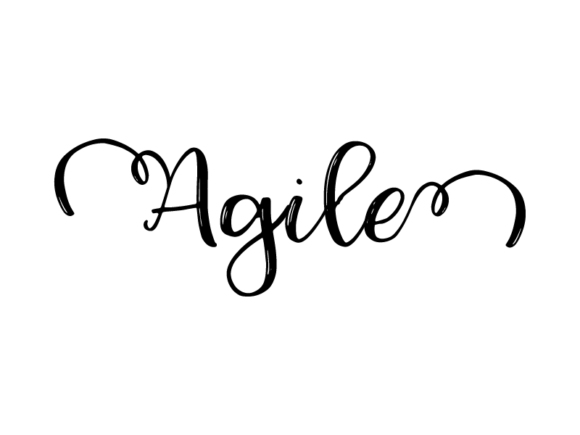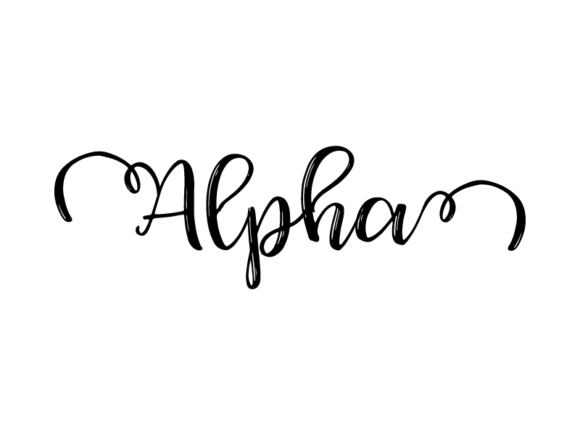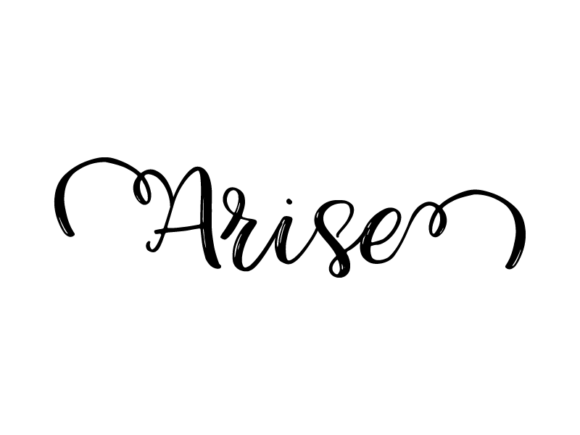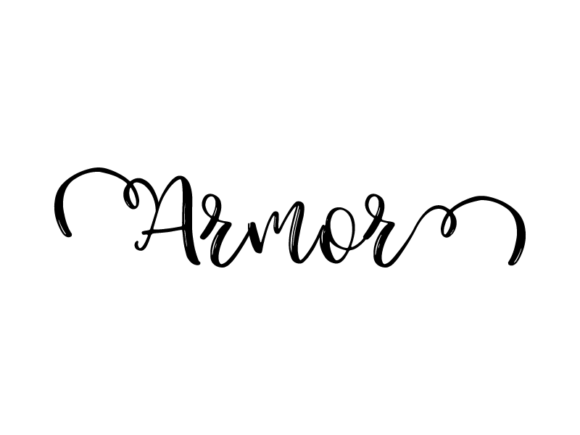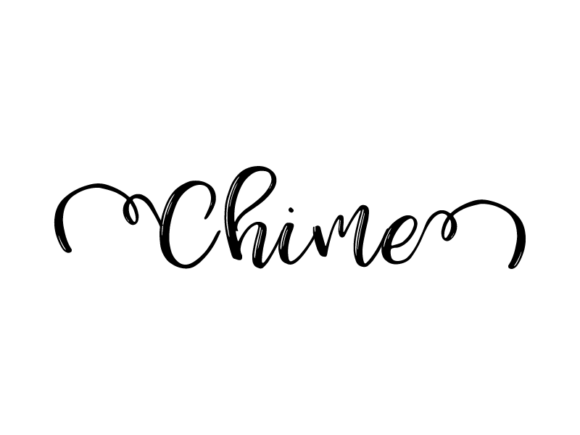
Chime Lettering
Chime Lettering refers to a hand-drawn vector monochrome graphic lettering style characterized by clean, expressive strokes, subtle organic variation, and intentional imperfection. Unlike rigid digital typefaces, Chime Lettering is crafted as scalable SVG or AI vector artwork—designed from the ground up for flexibility in editing, resizing, and recoloring without quality loss. It is not a font file but a set of editable vector shapes, making it especially suited for designers, educators, crafters, and small-business owners who need adaptable typographic elements across physical and digital applications.
Why Consider Chime Lettering?
People explore Chime Lettering when they need typographic assets that balance personality with practicality. Its monochrome vector format supports immediate integration into diverse workflows—from screen printing on t-shirts to embedding in web UI components or customizing classroom materials. Users often seek alternatives to standard fonts when those lack visual distinction, licensing clarity, or adaptability for layered design tasks like cut-file crafting or multi-surface branding.
Key Benefits
- Full editability: Each letter is a vector path, allowing precise adjustments to stroke weight, curvature, spacing, or layout in Adobe Illustrator, Affinity Designer, or other SVG-compatible software.
- Resolution independence: Scales infinitely for use on business cards or large-format posters without pixelation or distortion.
- Recoloring efficiency: Monochrome design simplifies color application—swap fills or add gradients with minimal effort across dozens of letters or words.
- Broad application scope: Works equally well for physical outputs (e.g., vinyl decals for mugs or fabric transfers for apparel) and digital contexts (social media graphics, email headers, ebook chapter titles).
- Licensing transparency: Most Chime Lettering packages include commercial-use rights, supporting resale of finished products like printed notebooks or embroidered patches—provided original vector files are not redistributed as standalone assets.
Tradeoffs and Practical Considerations
Chime Lettering is not a replacement for system fonts or variable-typeface families. Because it is delivered as individual letterforms—not an installable font—it does not support live text editing in word processors or responsive web text rendering. Typing a sentence requires manual placement and alignment of each glyph, which adds time for long-form content. This makes it ideal for short phrases, logos, headlines, or decorative accents—but less efficient for body copy or dynamic text fields.
Also, while the monochrome base enables easy recoloring, it does not include built-in shadows, textures, or multi-color layering. Achieving dimensional effects requires additional vector manipulation. Users should assess whether their intended use aligns with static, hand-crafted typography rather than algorithmically generated or animated text solutions.
Compatibility is generally high—SVG files open in most vector editors and many raster programs via import—but legacy versions of some software may require conversion to EPS or PDF for full path fidelity. Always verify your toolset supports SVG path editing before purchase.
When Chime Lettering Is a Strong Fit
Chime Lettering excels in scenarios where uniqueness, scalability, and hands-on customization matter more than automation. It suits designers building cohesive brand systems who want signature typographic treatments for logos, packaging, or merchandising. Educators find value in using editable lettering for classroom displays, student name tags, or themed bulletin boards—especially when paired with cutting machines for tactile learning activities.
Small-batch creators benefit when producing limited-run items: heat-transfer designs for tote bags, engraved wood signs, or foil-stamped greeting cards. The vector format ensures crisp output at any size, and the hand-drawn aesthetic supports artisanal positioning without requiring illustration skills.
It also integrates well into mixed-media projects—think scrapbooking layouts where lettering coexists with hand-painted elements or textile swatches—and digital publishing, such as illustrated e-books or editorial features where typographic texture enhances narrative tone.
When Alternatives May Be More Appropriate
If your workflow relies heavily on automated text generation—such as dynamic product labels, multilingual websites, or data-driven reports—Chime Lettering introduces friction. In those cases, a carefully selected variable font with expressive weights and OpenType features offers better scalability and accessibility.
For users needing rapid iteration across dozens of color variants or animation-ready text, motion-graphics tools with native text layers (e.g., After Effects with font-based animators) provide faster results than manually adjusting vector paths.
Similarly, if brand guidelines demand strict typographic consistency across hundreds of touchpoints—including voice-assisted interfaces or screen readers—system fonts with robust accessibility metadata remain the responsible choice. Chime Lettering serves visual communication first; it does not inherently support semantic HTML or ARIA labeling.
Making a Practical Decision
To determine whether Chime Lettering meets your needs, start by listing your top three intended uses. If at least two involve short-form, visually prominent text—like a logo lockup, poster headline, or custom sticker set—it is likely a good match. Next, review your software access: do you regularly use vector-editing tools? If your primary design environment is Canva or Google Slides without SVG import capability, consider whether the learning curve justifies the outcome.
Assess your timeline and volume. For one-off projects or seasonal campaigns, the upfront setup time pays off in distinctiveness. For daily, high-volume production—say, generating 50 social posts per week—template-based font systems may preserve consistency and speed.
Finally, clarify ownership expectations. Chime Lettering assets are typically licensed for end-product creation, not redistribution. If your goal includes selling editable templates or design kits to others, confirm the license permits that usage tier—or look for providers offering extended commercial terms.
In summary, Chime Lettering is a purpose-built resource—not a universal solution. Its strength lies in enabling thoughtful, scalable, and tactile typographic expression where control and character outweigh convenience. When aligned with realistic technical capacity and creative goals, it becomes a reliable component in a diverse design toolkit.