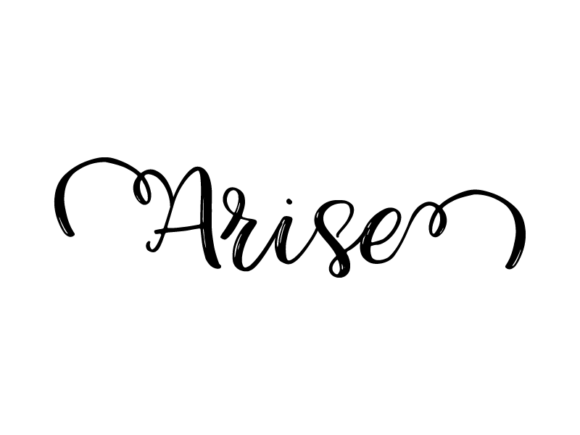
Arise Lettering: A Monochrome Hand-Drawn Vector Resource for Designers and Makers
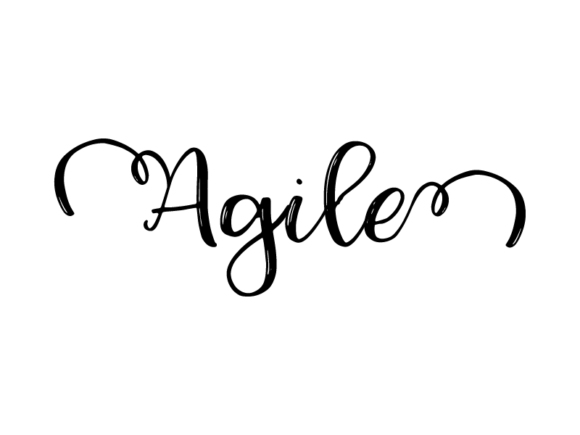
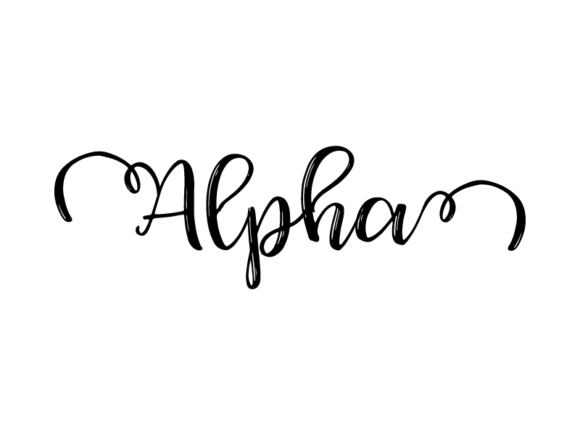
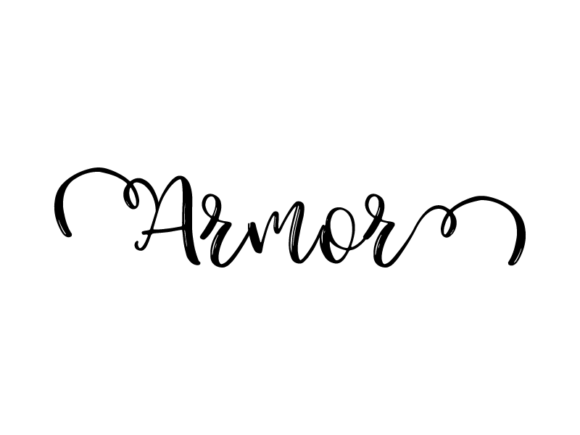
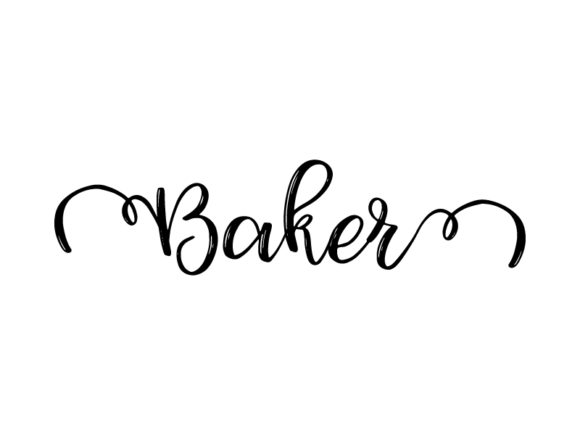
Arise Lettering is a hand-drawn, monochrome vector graphic set designed as scalable, editable SVG files. Each letter is crafted with intentional organic imperfections—subtle line variations, gentle tapering, and natural rhythm—to evoke the warmth of analog lettering while retaining the precision and flexibility of digital vectors. Unlike raster images or pre-rendered fonts, Arise Lettering delivers true vector paths, meaning every curve and stroke remains crisp at any size and fully responsive to editing in Adobe Illustrator, Affinity Designer, Inkscape, or other SVG-compatible software.
People often seek Arise Lettering when they need expressive typography that avoids the uniformity of standard fonts but doesn’t require advanced calligraphy skills or custom illustration work. It bridges a practical gap: the desire for human-crafted aesthetic quality without sacrificing technical control. Educators, small-business owners, crafters, and freelance designers commonly explore this resource for projects where authenticity, adaptability, and production efficiency matter equally.
The primary benefit lies in its dual nature—artistic character paired with functional versatility. Because it’s delivered as layered, ungrouped vector paths, users can isolate individual letters, adjust spacing manually, modify stroke weight, invert fill and stroke roles, or recolor elements to match brand palettes. This makes Arise Lettering suitable for diverse applications: screen-printed t-shirt designs, die-cut vinyl stickers, embroidered patches, laser-engraved wooden tags, or responsive web banners. Its monochrome foundation simplifies color adaptation—no transparency or gradient dependencies complicate export or print prep.
However, certain tradeoffs accompany these strengths. As a hand-drawn vector set—not a font file—it does not install or type live in text fields. Users must place, scale, and arrange each glyph manually. That offers creative freedom but requires basic vector software familiarity. Beginners may face a short learning curve when aligning letters, adjusting kerning by eye, or managing layers. Also, because strokes are built from paths rather than outlines, expanding appearance effects (e.g., adding thick borders) requires careful path operations—not automatic styling like with OpenType features.
Another consideration is stylistic scope. Arise Lettering emphasizes a specific visual language: restrained, grounded, and quietly confident. It excels in minimalist branding, educational materials, handmade product labels, and lifestyle-focused printables. But it is not intended for high-contrast display use, ultra-narrow condensed settings, or multilingual support beyond basic Latin characters. Users needing Cyrillic, Greek, or extended diacritics will need to supplement or seek alternatives.
Arise Lettering is a strong fit when your goal is consistent, tactile-feeling typography across physical and digital touchpoints—especially if you value control over every visual detail. For example, a boutique stationery brand launching a new notebook line might use it to design cohesive cover lettering, interior headers, and matching sticker sheets—all from the same source files. Similarly, a teacher preparing classroom posters or interactive literacy activities benefits from its clarity at multiple sizes and ease of customization for differentiated instruction.
It also supports iterative design workflows. Because SVGs retain full editability after download, users can test variations—lighter stroke weights for subtle background motifs, bold re-coloring for focal points, or simplified versions for embroidery digitizing—without losing fidelity. This responsiveness makes it useful in early-stage prototyping for packaging, apparel, or UI mockups where visual tone matters before committing to final assets.
That said, alternatives may be preferable depending on context. If your priority is rapid text composition—such as generating hundreds of unique social media quotes or dynamic email headers—a well-designed variable font with built-in stylistic sets and language support would save time and reduce manual labor. Likewise, if you require tight typographic control (e.g., optical kerning pairs, contextual alternates, or automatic ligatures), a professional-grade script or display font remains more efficient than assembling letters one-by-one.
For crafters using cutting machines (Cricut, Silhouette), Arise Lettering works reliably as long as files are saved in compatible SVG format with strokes converted to outlines—though some machines interpret thin strokes differently than print-ready output. Always verify stroke width minimums (typically 0.01–0.25 pt depending on material) and test cuts before large batches.
When evaluating whether Arise Lettering aligns with your needs, ask three questions:
- Do I need expressive, non-generic letterforms that remain technically flexible? If yes, its hand-drawn vector structure provides both personality and precision.
- Am I comfortable arranging and adjusting individual glyphs rather than typing sentences? If yes, the workflow matches; if not, consider editable font alternatives or hybrid solutions (e.g., font + vector embellishments).
- Does my project span multiple formats—print, cut, web, embroidery—where consistent monochrome scalability matters? If yes, its SVG foundation reduces format-specific rework.
Realistically, users who already own or regularly use vector editing tools—and who prioritize aesthetic distinction over speed of text entry—will find the most value. Those working primarily in word processors, presentation software, or no-code website builders may encounter friction unless they’re willing to export static PNG/SVG variants for placement.
Finally, keep expectations grounded: Arise Lettering is a tool, not a solution. Its effectiveness depends on how thoughtfully it’s integrated into your process—not just applied as decoration. Whether used for a single product tag or an entire brand system, its strength emerges through intentionality: choosing where human texture enhances communication, and where clean scalability supports usability.
In summary, Arise Lettering serves a distinct niche—designers and makers who want the authenticity of hand-drawn lettering without surrendering control, compatibility, or reproducibility. It invites thoughtful application rather than passive insertion. When matched to appropriate goals and workflows, it becomes a reliable, reusable asset—not just another decorative element.