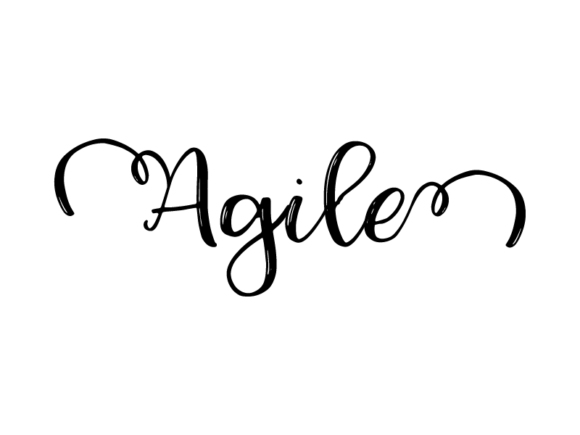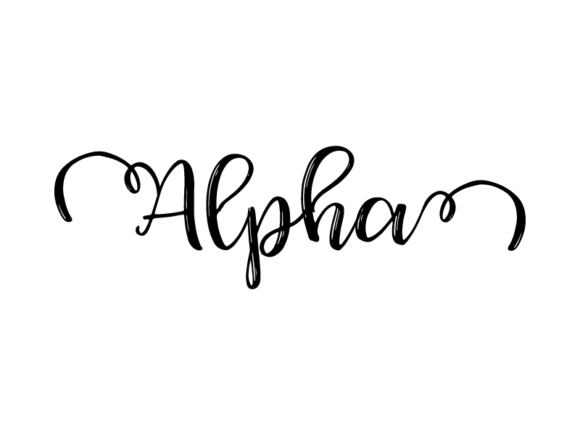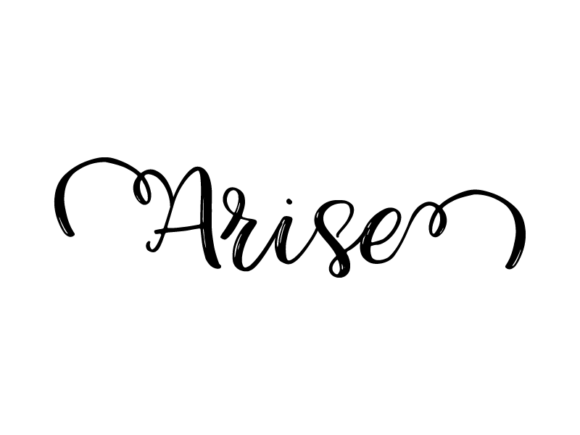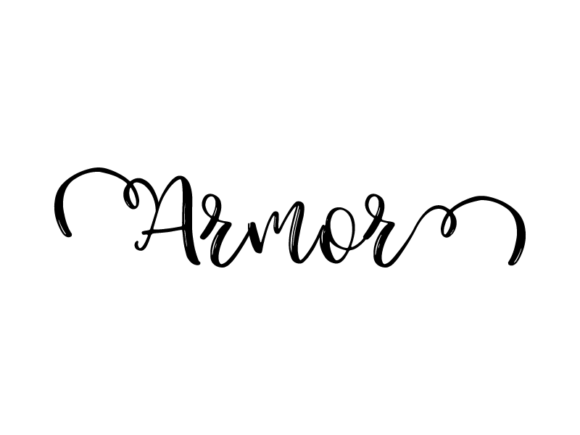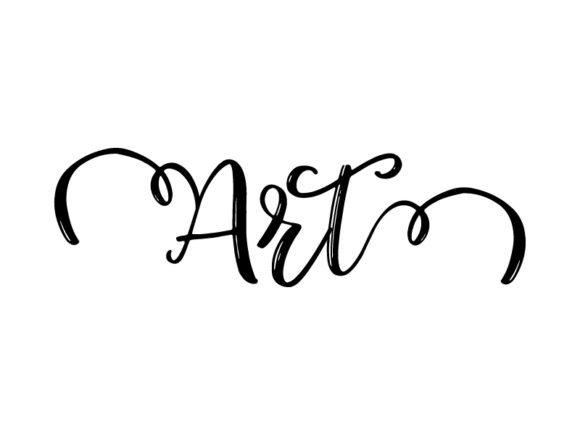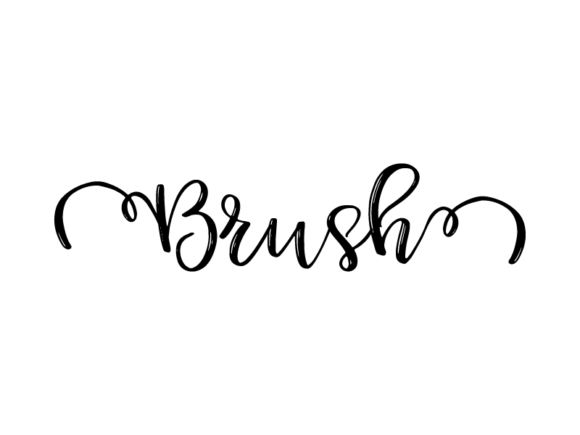
Brush Lettering
Brush Lettering isn’t just about making letters look beautiful—it’s about infusing intention, warmth, and authenticity into every curve and stroke. At its core, brush lettering mimics the expressive, pressure-sensitive motion of a real brush pen: thick downstrokes, delicate upstrokes, and organic variation that feels human, not algorithmic. Today, this hand-drawn aesthetic has evolved beyond paper-and-ink practice into a versatile digital asset—specifically, hand-drawn vector monochrome graphic lettering designed as editable SVG files. These aren’t static images; they’re living design elements built for flexibility, scalability, and creative control.
Why Brush Lettering Resonates Now—More Than Ever
We’re living in an era where digital saturation coexists with a deep cultural craving for tactile authenticity. Social feeds overflow with polished, AI-generated visuals—but audiences increasingly pause for work that carries visible craft: a slight wobble in a serif, a tapered terminal, a subtle ink bleed suggested through line weight. Brush lettering answers that need—not by rejecting technology, but by bridging it with humanity. It’s why brands from indie apparel labels to education nonprofits choose brush-lettered headlines over sterile sans-serifs: because people trust what feels made, not manufactured.
This shift isn’t fleeting. It reflects broader changes in how we consume, create, and connect. Remote work and hybrid learning have expanded access to design tools—and lowered barriers to entry. More educators use visual language to reinforce concepts; more small businesses handle their own branding; more makers launch product lines without outsourcing design. Brush lettering SVGs meet that reality: no licensing restrictions, no pixelation at any size, and full editability in Illustrator, Affinity Designer, Figma (with SVG import), or even free tools like Inkscape.
From Hand-Drawn Sketch to Scalable Vector Asset
The transformation from analog sketch to monochrome vector is where practicality meets craft. Each letterform begins as an original hand-drawn piece—often with actual brush pens on paper—then carefully traced, refined, and converted into clean vector paths. The result? A monochrome graphic lettering set that preserves the soul of the hand while gaining the precision of code. Unlike raster files (PNG, JPG), these SVGs scale infinitely—from a 1-inch tag on a handmade soap bar to a 10-foot festival banner—without losing clarity or character.
Monochrome is intentional, not limiting. It provides maximum versatility: recolor in seconds for brand alignment, overlay on textured fabrics or distressed backgrounds, invert for dark-mode interfaces, or layer with gradients and halftones in post-processing. Because it’s vector-based and uncluttered, it prints crisply on screen-printed t-shirts, heat-transfer vinyl, embroidery digitizing software, or direct-to-garment printers—no trapping, no anti-aliasing issues, no guesswork.
Real-World Applications—Beyond Aesthetics
Consider a high school art teacher preparing a classroom project: instead of spending hours designing custom lettering for student name tags, she drops a brush-lettered “Welcome” SVG into Canva, resizes it to fit a 3x5 card, changes the fill to school colors, and exports for laser-cutting. Or a boutique coffee roaster launching seasonal packaging—they adapt the same “Small Batch” lettering file across bag seals, ceramic mug decals, Instagram story templates, and printed tote bags—all while maintaining consistent voice and visual rhythm.
For freelancers and agencies, these assets reduce repetitive labor. Need a branded quote graphic for a client’s wellness blog? Pull a hand-drawn “Breathe Deeply” phrase, adjust spacing, add a subtle shadow in Illustrator, and export for web. Designing a wedding invitation suite? Layer brush-lettered names over watercolor textures—then reuse the same lettering style for place cards, signage, and thank-you notes. Consistency emerges naturally, not through rigid templates, but through shared visual DNA.
Workflow Integration—Where Creativity Meets Efficiency
Modern creative workflows demand speed *and* distinction. Brush lettering SVGs support both. They slot seamlessly into existing pipelines: drag into Adobe Illustrator for precise node editing; paste into Figma for UI mockups or social media ad variants; import into Cricut Design Space or Silhouette Studio for physical crafting. No plugins required. No font installation. No compatibility headaches.
That interoperability matters—especially for cross-disciplinary creators. A textile designer might use the same lettering file to mock up a repeat pattern for fabric printing, then repurpose individual glyphs as appliqué motifs. A UX writer developing onboarding screens may embed a softly animated brush-lettered “Let’s Begin” headline—scalable, accessible, and stylistically aligned with the brand’s voice. Even educators building digital worksheets can embed these vectors into PDFs or Google Slides, knowing they’ll retain fidelity across devices and print outputs.
Design Ethics and Practical Ownership
Using editable brush lettering assets also supports responsible design practice. Unlike many free font downloads or clipart sites, reputable SVG collections are clearly licensed for commercial use—including resale on physical goods like mugs, pillows, or apparel. That means you’re not risking takedowns or legal ambiguity when launching your Etsy shop or conference swag line. You’re investing in tools that respect your time, your rights, and your audience’s expectations for quality.
Importantly, these files don’t replace skill—they extend it. Learning brush lettering by hand remains invaluable for understanding spacing, contrast, and rhythm. But once you grasp those fundamentals, editable vectors become accelerants—not shortcuts. They let you focus energy on storytelling, layout, and user experience rather than redrawing the same word five times to get the kerning right.
Getting Started—No Mastery Required
You don’t need years of calligraphy training to begin. Start small: download a single phrase (“Create Joy”, “Grow Together”, “Made With Care”) and open it in Illustrator. Use the Selection Tool to move letters, the Direct Selection Tool to tweak anchor points, or the Recolor Artwork panel to test palettes. Try exporting at different sizes—notice how crisp the edges stay, even at 2% zoom. Then experiment: duplicate a letter, rotate it 15°, change its opacity to 40%, and layer it behind the original for depth. That’s design iteration in under a minute.
For educators, try pairing brush lettering with discussion prompts: “What emotion does this ‘Believe’ convey—and how would changing the stroke weight shift that?” For marketers, test two versions of a campaign headline—one in a system font, one in brush lettering—on landing pages and measure scroll depth or time-on-page. Real data often confirms what intuition suggests: human-made letterforms hold attention longer, especially in crowded digital spaces.
Looking Ahead—Not Just a Trend, But a Toolkit
Brush lettering won’t replace Helvetica. Nor should it. Its value lies in specificity—not ubiquity. It thrives where personality matters: in handwritten-style email subject lines, limited-edition book covers, tactile packaging, classroom posters that feel inviting rather than institutional, or brand guidelines that prioritize warmth alongside clarity.
As AI tools accelerate typography generation, the demand for genuinely hand-informed lettering will likely grow—not shrink. Why? Because algorithms can mimic variation, but they can’t replicate the quiet confidence of a practiced hand, the slight hesitation before a curve, the decision to leave a joint imperfect for honesty’s sake. That’s what makes monochrome vector brush lettering both timely and timeless: it’s efficient enough for today’s pace, yet rooted deeply in craft that no script can simulate.
Whether you’re silk-screening tote bags in your garage, designing a nonprofit’s annual report, or prepping literacy flashcards for third graders—this kind of lettering doesn’t ask you to be a master calligrapher. It asks you to be intentional. To choose meaning over uniformity. To make space—on a poster, a pillow, a business card—for something that breathes.