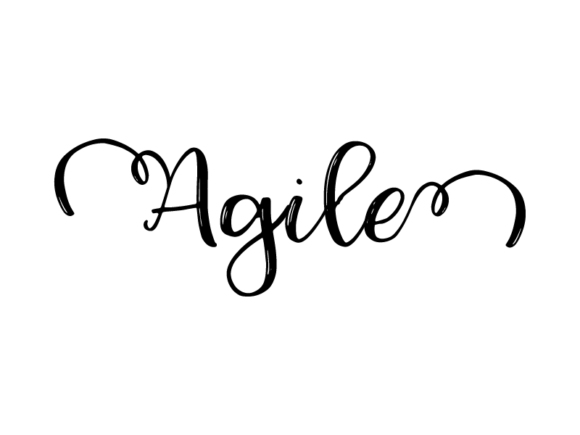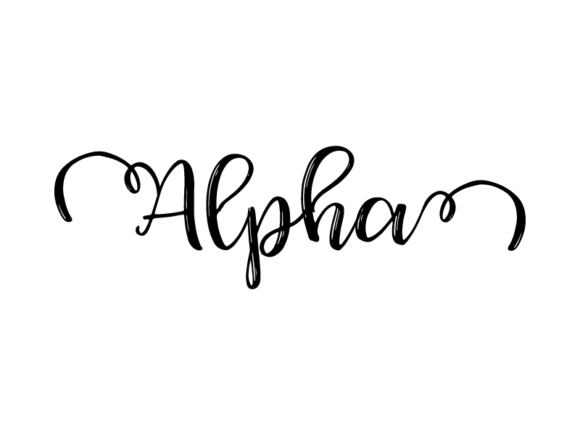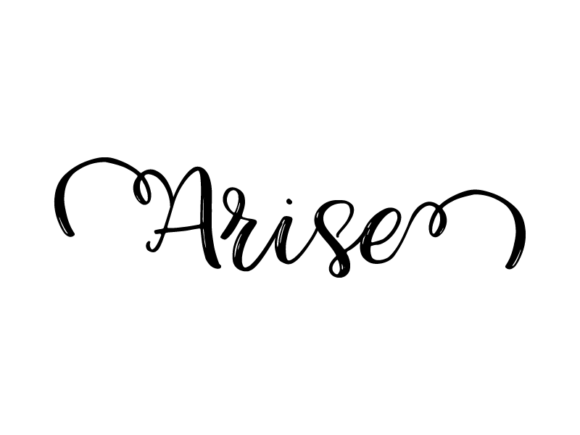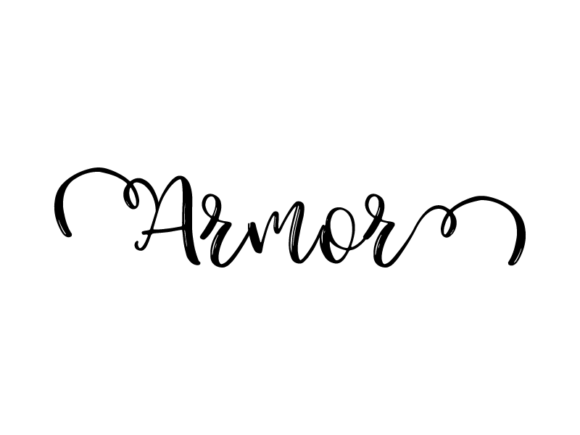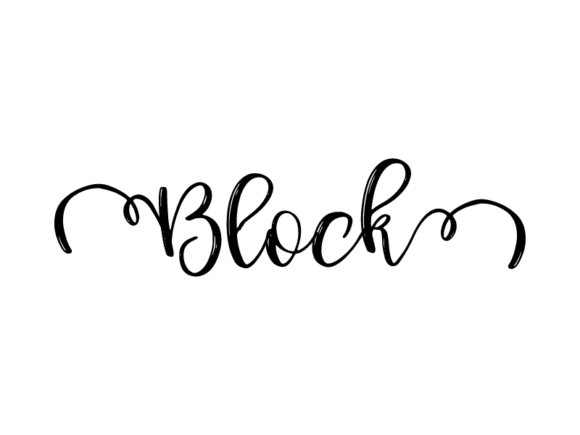
Block Lettering
Block Lettering is bold, clean, and unapologetically legible — a timeless typographic style built from strong strokes, squared corners, and consistent weight. Think of it as the confident cousin of hand lettering: no flourishes, no serifs, no ambiguity. Just solid, grounded letters that command attention without shouting. Unlike script or brush styles, Block Lettering thrives on clarity and versatility — making it ideal for everything from a child’s classroom banner to a luxury brand’s minimalist packaging.
Where Block Lettering Fits in Real Life
You don’t need a design degree to spot Block Lettering in action — you’ve seen it on vintage café signs, gym T-shirts, protest posters, and even your favorite indie notebook cover. Its strength lies in how easily it translates across materials and scales. A single word like “BOLD” or “CREATE” rendered in hand-drawn vector monochrome graphic lettering becomes instantly adaptable: printed crisp on cotton fabric, embossed on kraft paper tags, laser-cut from wood for wall art, or screen-printed onto ceramic mugs.
For Educators & Students
In classrooms, Block Lettering isn’t just decorative — it’s functional. Teachers use editable SVG versions to build custom flashcards, behavior charts, or themed bulletin boards (think “GROWTH MINDSET” in thick black letters against a soft blue background). Because it’s vector-based, resizing doesn’t blur or pixelate — perfect for projecting on whiteboards or scaling down for student handouts. Students benefit too: using cut files for papercraft projects, spelling bees, or visual vocabulary walls helps reinforce literacy through tactile, visual, and spatial learning — all while feeling like play, not drill.
For Small Business Owners & Creators
If you sell handmade goods, run a boutique studio, or manage local events, Block Lettering gives your branding instant cohesion. Imagine your shop name stamped on linen tote bags, heat-pressed onto aprons, or die-cut as vinyl decals for storefront windows. Since these files are monochrome and vector-based, they convert cleanly to embroidery digitizing, foil stamping, or risograph printing — no color separation headaches. One file does the work of ten: swap colors in Illustrator to match seasonal palettes, adjust spacing for a business card versus a 4×6 postcard, or layer with textures for social media banners.
For DIY Enthusiasts & Crafters
This is where Block Lettering shines brightest — in hands-on making. Whether you’re cutting stencils for chalkboard menus, etching glassware, designing iron-on transfers for kids’ backpacks, or creating layered paper sculptures for greeting cards, the simplicity of monochrome vector lettering means fewer editing steps and faster results. No gradients to fuss over. No transparency issues when layering with photos or patterns. Just drag, resize, recolor, and go. Even if you’re new to Illustrator or Affinity Designer, the intuitive paths make tweaking letter spacing or converting text to outlines feel approachable — not intimidating.
Why Hand-Drawn Vector Monochrome Graphic Lettering Stands Out
“Hand-drawn” doesn’t mean rough or unrefined — it means human warmth baked into precision. These letterforms carry subtle irregularities: a slightly thicker downstroke here, a softened corner there — enough to feel personal, not generic. That warmth matters. A strictly geometric sans-serif font might look sharp on a website but feel cold on a baby onesie. This style bridges the gap: professional enough for client work, soulful enough for heirloom crafts.
Monochrome is another quiet superpower. Limiting to one color (or one ink channel) keeps production costs low and compatibility high — whether you’re printing with a home inkjet, sending files to a local print shop, or prepping for DTG (direct-to-garment) apparel printing. And because it’s vector, not raster, you’ll never hear “Can you send a higher-res version?” again.
Who Benefits — and How
- Event Planners: Build cohesive stationery suites — from save-the-date magnets to aisle signage — using the same Block Lettering file, resized and recolored per item.
- Content Creators: Design quote graphics for Instagram or Pinterest with zero licensing worries — fully editable, ownable assets that reflect your voice, not a stock template.
- Textile Designers: Repeat letter motifs across fabric swatches for scarves or pillow covers; adjust stroke width to suit weave density without redrawing.
- Publishers & Authors: Create chapter headers for print books or e-books that retain integrity across EPUB, PDF, and web formats.
- Nonprofits & Advocacy Groups: Produce bilingual posters or rally signs quickly — edit text in Illustrator, then export for large-format printing or digital ad use.
Things to Keep in Mind Before You Start
While Block Lettering is flexible, context still guides smart choices. For apparel, consider stroke thickness: ultra-thin lines may vanish on textured fabrics like fleece or heavy denim — aim for at least 2–3pt minimum weight for wearability. For laser cutting or vinyl plotting, ensure inner counters (like the hole in “O” or “e”) aren’t too small — under 1/8 inch may not cut cleanly on some machines. And if you’re pairing it with photography or busy backgrounds, test contrast: true black on off-white works reliably; gray-on-gray can fade visually.
Also remember — monochrome doesn’t mean monotonous. You can create depth by layering identical lettering in offset shades (think charcoal + black), adding subtle drop shadows in layout software, or combining with halftone textures — all without leaving the vector workflow.
More Than Just Letters — A Creative Catalyst
What makes this kind of Block Lettering especially useful isn’t just its looks — it’s how it invites participation. A teacher modifies it for phonics lessons. A maker turns it into a stencil for concrete garden markers. A wedding planner reworks it into foil-stamped menu cards. A UX designer uses its rhythm to guide visual hierarchy in app onboarding screens. It’s not locked into one role. It’s infrastructure — reliable, editable, expressive infrastructure.
And because it’s delivered as an SVG (scalable vector graphic), it lives comfortably in modern creative ecosystems: open in Figma for UI mockups, paste into Canva for quick social posts, import into Cricut Design Space for cutting, or embed directly into HTML for responsive web headers. No plugins. No conversions. Just ready-to-use shape language that speaks clearly — and quietly leaves room for your idea to lead.