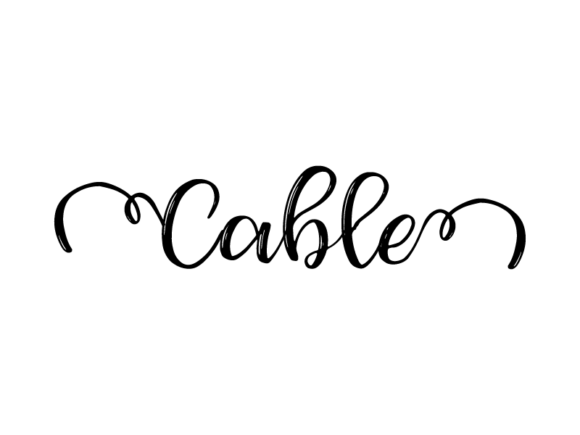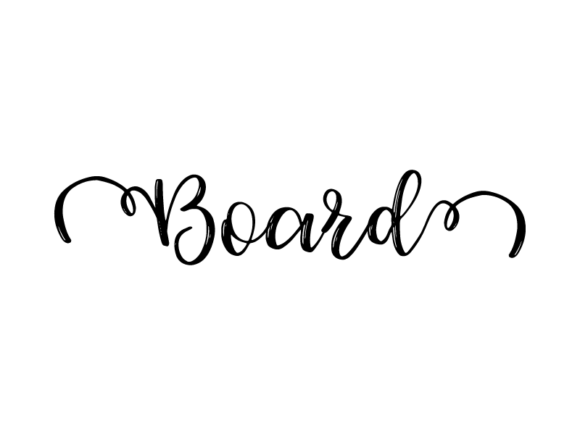
Board Lettering: A Distinctive Hand-Drawn Vector Approach for Versatile Design
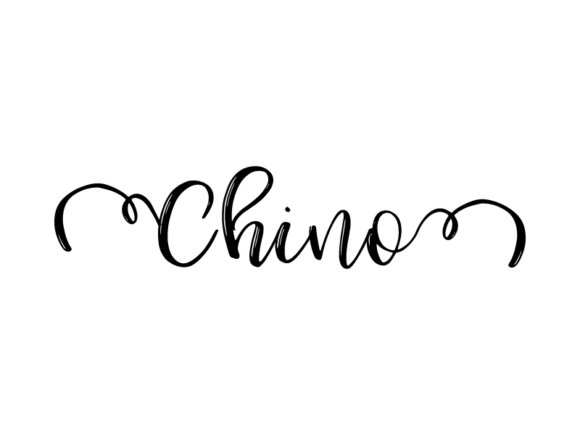
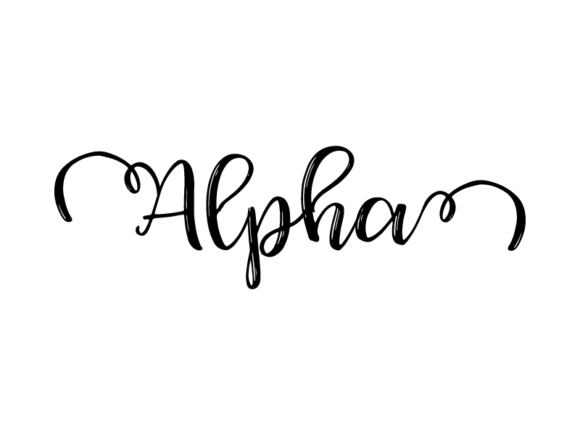
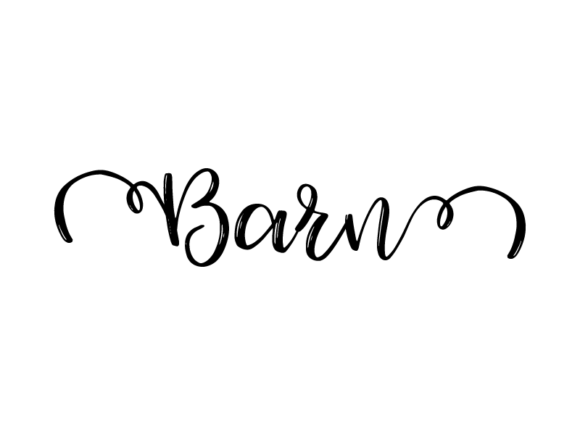
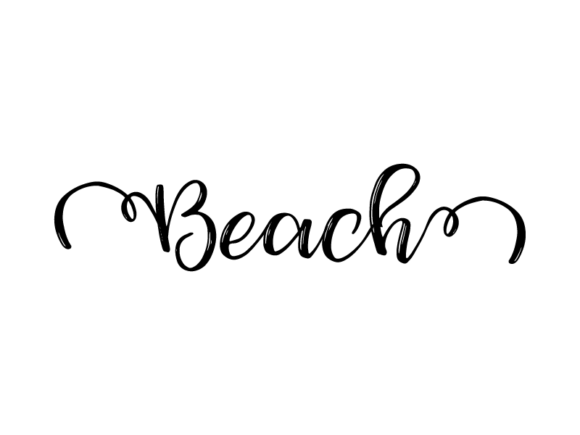
Board Lettering refers to a specific category of monochrome, hand-drawn vector lettering designed with deliberate imperfection—slight irregularities in stroke weight, subtle wobbles in baseline alignment, and organic curvature reminiscent of chalk on slate or ink on a classroom board. Unlike digitally precise typefaces or tightly kerned script fonts, Board Lettering embraces human gesture as part of its visual language. It’s not about mimicking handwriting per se, but capturing the expressive authenticity of manual mark-making—then translating it into scalable, editable vector form.
How Board Lettering Differs from Other Lettering Styles
Understanding what sets Board Lettering apart begins with distinguishing it from related categories. It is not a font family—you won’t install it as a system font or apply it via CSS. Instead, each Board Lettering set is delivered as an SVG or AI file containing individual, layered letterforms. This means every character is a vector path—not a glyph tied to Unicode mapping. That structural difference unlocks flexibility: you can adjust spacing manually, isolate letters for rearrangement, or delete strokes selectively without affecting others.
Compared to brush script fonts, Board Lettering avoids simulated texture overlays (like grain or bleed) that often break down at small sizes or when recolored. Its monochrome nature ensures clean reproduction across print and digital media—no anti-aliasing issues, no raster dependencies. And unlike calligraphy-based vector lettering, which emphasizes fluid continuity and pressure variation, Board Lettering prioritizes legibility through intentional simplicity: open counters, generous x-heights, and minimal decorative flourishes.
Practical Strengths—and Where They Matter Most
The core utility of Board Lettering lies in its balance of personality and practicality. Because it’s built in vector format, resizing introduces no quality loss—whether scaling a single word to 2 inches tall for a fabric tag or expanding it to 4 feet wide for a wall banner. Recoloring is equally straightforward: fill and stroke attributes are editable in Illustrator, Affinity Designer, Inkscape, or even modern web tools like Figma (with SVG import). No need for layer masks, clipping paths, or complex blending modes just to change black to terracotta or charcoal gray.
This makes Board Lettering especially effective in contexts where customization is routine and output formats vary. Educators preparing classroom materials can adapt one lettering set for flashcards (small, high-contrast), bulletin board headers (large, bold), and student name tags (rounded corners, pastel fills)—all from the same source file. Small business owners designing product packaging might use the same set across woven labels (black-on-cream cotton), matte-finish stickers (white-on-kraft), and social media banners (gradient overlay)—without licensing complications or format conversion steps.
When Board Lettering Fits Best
Board Lettering excels in projects where warmth and approachability matter—but where scalability, consistency, and editability remain non-negotiable. Consider these realistic use cases:
- Clothing and textile design: Embroidery digitizers appreciate clean, closed vector paths; screen printers rely on crisp edges at any size. Board Lettering delivers both without requiring redrawing.
- Educational and craft resources: Teachers using Cricut or Silhouette machines benefit from ready-to-cut SVG files that maintain integrity after ungrouping and resizing—no pixelation, no auto-tracing artifacts.
- Branding elements with human tone: A wellness studio, independent bookstore, or local bakery may choose Board Lettering for signage or merchandise to convey care and craftsmanship—without sacrificing professional polish in printed collateral or digital ads.
- Mixed-media and editorial design: When layering text over photography or textured backgrounds, monochrome vector lettering avoids color bleed and remains fully editable during layout revisions—unlike rasterized hand-lettered scans.
Tradeoffs to Acknowledge Upfront
No design resource suits every scenario—and Board Lettering is no exception. Its monochrome foundation simplifies editing but limits immediate chromatic expression. If your project demands multi-color lettering (e.g., gradient fills within a single character, or overlapping colored strokes), you’ll need to build those effects manually rather than selecting them from a preset menu. Similarly, because characters aren’t encoded as glyphs, you can’t type naturally into a document—each word must be assembled by placing and aligning individual letters. That’s efficient for short headlines or logos but less so for body copy or dynamic content.
Also consider context. Board Lettering’s informal cadence doesn’t suit formal legal documents, technical manuals, or corporate annual reports where neutrality and typographic hierarchy take precedence. Likewise, if your workflow depends heavily on variable fonts or automated typesetting (e.g., responsive web typography with fluid scaling), Board Lettering sits outside that ecosystem entirely. It’s a tool for intentional, crafted application—not background automation.
Comparing Alternatives: When to Look Elsewhere
If your priority is speed over nuance—say, generating dozens of social media posts daily—then a well-designed variable font with built-in stylistic sets may offer faster iteration than assembling vector letters each time. For long-form reading experiences, traditional serif or sans-serif typefaces still provide superior readability, rhythm, and language support across global scripts.
For tactile authenticity without vector constraints, hand-lettered scans work well in analog-heavy projects like zines or limited-run prints—but they require careful DPI management, don’t scale infinitely, and become cumbersome to recolor or reposition. And while some designers turn to generative tools for custom lettering, those outputs often lack the consistent weight distribution and spatial logic found in professionally drawn Board Lettering sets.
The decision isn’t about “better” or “worse,” but alignment. Board Lettering becomes compelling when your goals include: preserving handmade character across multiple applications; maintaining full creative control over every curve and corner; working across physical and digital outputs without rework; and valuing clarity of intent over speed of execution.
Realistic Integration Examples
A maker creating ceramic mugs might use Board Lettering to stamp “Brew Mindfully” across a batch—first converting letters to cut paths for a laser engraver, then exporting the same file as a PNG for Instagram posts, adjusting only the fill color to match seasonal branding. A nonprofit organizing a community workshop could adapt one set for printable name badges (black on yellow cardstock), vinyl window decals (reverse-cut white on glass), and a downloadable PDF program guide (embedded SVG, scaled to fit column width).
In each case, the starting point is identical—but the outcomes diverge meaningfully based on medium, audience, and purpose. That versatility isn’t accidental. It reflects how Board Lettering was conceived: not as decoration alone, but as a functional design component engineered for reuse without compromise.
Making Your Decision
Ask yourself three questions before choosing Board Lettering:
- Is the message short, focused, and benefit-driven? (e.g., “Grow Together,” “Start Here,” “Made With Care”) — Board Lettering shines with concise phrasing.
- Do you need to adapt the same text across varied sizes, surfaces, and colors? — Its vector foundation supports that reliably.
- Does authenticity—grounded in visible human effort—support your brand or project tone? — Not all contexts call for that resonance, and that’s valid.
If two or more answers are yes, Board Lettering is likely a strong candidate. If your needs center on dynamic text flow, multilingual support, or rapid iteration across hundreds of variants, other approaches may serve you more directly. The most effective design choices emerge not from chasing trends, but from matching method to intention—with attention to how people will encounter, interact with, and remember the result.