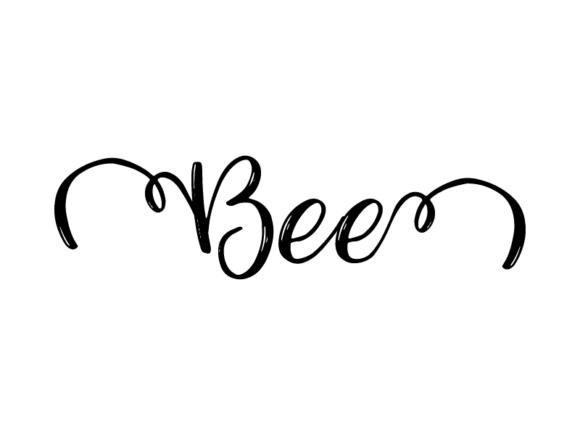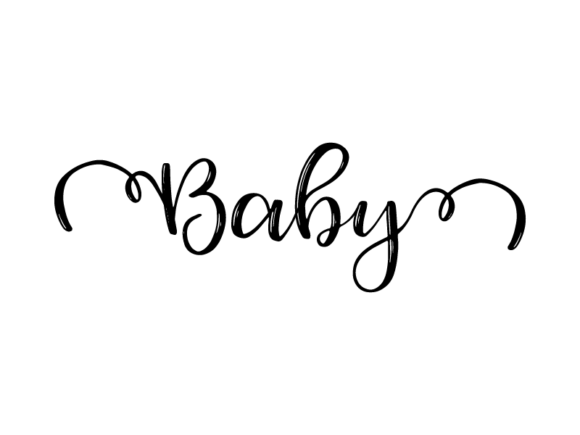
Baby Lettering: Hand-Drawn Charm for Real Creative Work
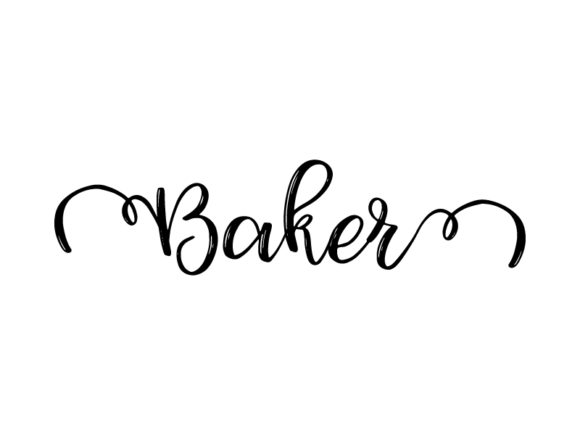
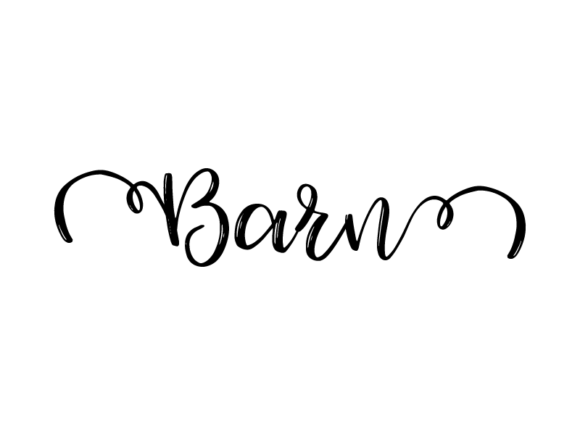
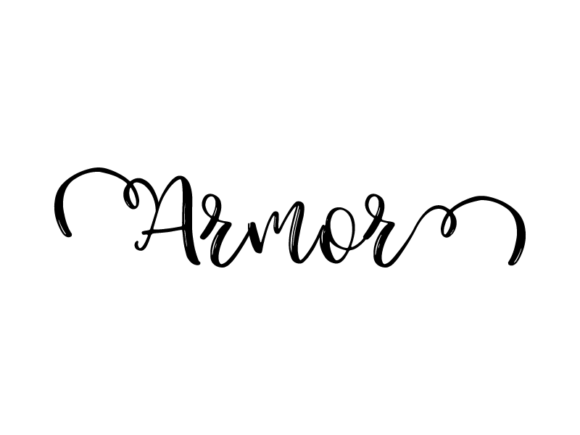
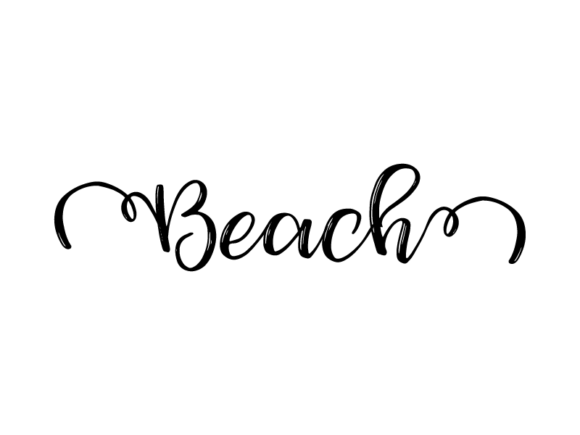
There’s something quietly powerful about lettering that feels human—not perfectly aligned, not digitally uniform, but softly imperfect, gently rounded, and full of warmth. That’s the essence of Baby Lettering: a hand-drawn vector monochrome graphic lettering style designed to evoke tenderness, approachability, and authenticity. It’s not just “cute.” It’s intentionally scaled down in visual weight—lighter strokes, open counters, subtle irregularities—and built as clean SVG vectors so it stays crisp at any size while retaining its organic soul.
Why This Style Fits What You Actually Do
If you design for people—not just platforms—you know tone matters as much as typography. Baby Lettering bridges the gap between personality and professionalism. A teacher printing classroom posters doesn’t need bold sans-serifs shouting instructions; they need friendly, legible lettering that invites participation. A small-batch ceramicist labeling mugs or packaging handmade soap needs type that feels personal, not corporate. A freelance designer building a brand identity for a wellness coach needs visual language that conveys calm, care, and groundedness—not cold precision.
This isn’t decorative filler. It’s functional voice. Because Baby Lettering is delivered as editable vector files (SVG, AI, EPS), you’re not locked into one look. Change color in two clicks. Scale from a 1-inch sticker to a 48-inch wall banner without pixelation. Adjust spacing to fit a curved cup handle or narrow gift tag. Recolor for seasonal campaigns—soft sage for spring, warm terracotta for fall—without redrawing a single curve.
Where It Saves Time Without Sacrificing Intention
Many designers default to free fonts or overused script typefaces when they need “friendly” lettering—but those often lack cohesion across mediums or require manual kerning, stroke adjustments, or licensing checks for commercial use. Baby Lettering arrives pre-harmonized: consistent line weight, balanced proportions, and intentional spacing built into each glyph. That means less time tweaking, more time iterating on layout, messaging, or user experience.
Consider an educator preparing back-to-school materials. Instead of hunting for compatible fonts across Canva, Illustrator, and Google Slides—or risking inconsistent rendering—they drop the SVG into any tool that supports vectors. The same lettering appears identically on a printed reading chart, a digital newsletter header, and a laminated classroom sign. No font substitution. No rendering glitches. Just reliable, cohesive presence.
Craft, Not Just Copy-Paste
Because it’s hand-drawn *then* vectorized—not generated by AI or traced from a font—it carries subtle texture: slight tapering on terminals, gentle swelling in curves, quiet variation in stroke rhythm. That nuance reads as care. When used on fabric prints or embroidered patches, it avoids the stiffness of digitized fonts. On packaging for baby products, children’s books, or mindfulness journals, it signals empathy before a single word is read.
And because it’s monochrome and vector-based, it adapts seamlessly to production constraints. Laser-cut wood signs? Works. Embroidery digitizing? Clean paths simplify stitch mapping. Screen-printed tote bags? Solid black or white versions hold up even at small sizes. No gradients to trap, no transparency issues to debug—just confident, scalable clarity.
Real Uses, Not Just Categories
- Classroom & Learning Tools: Cut files for vinyl or paper crafting let teachers create tactile alphabet cards, sight-word banners, or emotion-chart labels—each letter sized for little hands to trace or match.
- Small Business Branding: A local bakery uses Baby Lettering for chalkboard-style menu boards *and* their Instagram story highlights—same visual DNA, different contexts, zero redesign.
- Publishing & Editorial: An indie publisher applies it selectively: chapter headers in a parenting e-book, pull quotes in a print magazine spread, or spine text on softcover editions where subtlety supports content rather than competes with it.
- Home & Textile Design: Seamstresses scale glyphs to fit pillowcase hems; textile designers repeat simplified letters as tonal motifs in linen napkin patterns—no moiré, no blurring, just quiet repetition.
Who Benefits Most—and Why
This style serves creators who prioritize resonance over replication. Freelancers juggling multiple clients appreciate how quickly Baby Lettering helps establish distinct yet cohesive brand voices—especially for niches like early childhood education, holistic health, artisan goods, or gentle lifestyle brands. Educators find it ideal for inclusive materials: high readability at a distance, low visual noise for neurodiverse learners, and flexibility for multilingual adaptations (e.g., pairing with custom diacritics or alternate characters).
It’s also especially useful for non-designers with technical constraints—think school PTA coordinators using Cricut Design Space, Etsy sellers managing print-on-demand templates, or bloggers embedding graphics directly into WordPress via SVG. Since no font installation or licensing permissions are needed, it removes friction from the workflow.
A Note on Fit and Thoughtful Use
Baby Lettering shines where warmth, intimacy, or nurturing tone aligns with purpose. It’s less suited for high-energy tech startups, luxury financial services, or industrial branding—contexts where authority, precision, or gravitas take priority. Likewise, while highly editable, it’s not a full typeface with extended language support or OpenType features. For long-form body copy or complex multilingual layouts, pair it intentionally with a neutral, highly legible companion font.
Also worth noting: because it’s monochrome and hand-drawn, contrast and background matter. Test legibility on textured surfaces (like kraft paper tags or woven cotton) and ensure sufficient contrast against light or dark substrates—especially for accessibility compliance in digital or printed materials.
More Than Decoration—A Design Decision With Direction
Choosing Baby Lettering isn’t about adding “a cute touch.” It’s selecting a visual language that quietly communicates values: patience, attention to detail, humanity in craft, respect for the viewer’s emotional context. Whether you’re designing a birth announcement, a mental health app interface, a set of classroom behavior charts, or a capsule collection for sustainable kids’ wear, this lettering supports intention—not just aesthetics.
You don’t need advanced illustration skills to use it meaningfully. You do need clarity about your audience, your message, and the feeling you want to leave behind. Baby Lettering gives you a starting point that’s already tuned to kindness, clarity, and quiet confidence—so you can focus on what comes next.